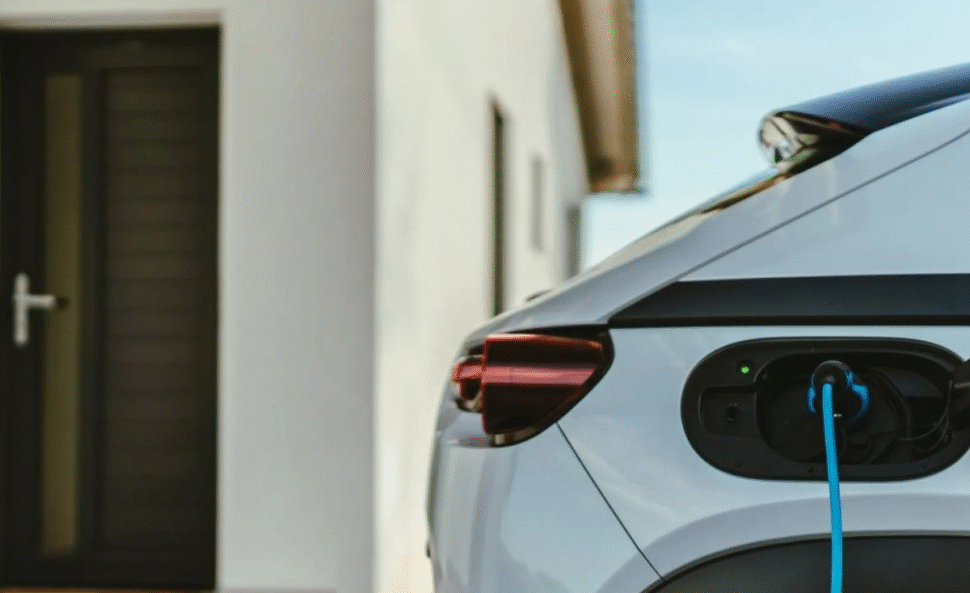
As more drivers adopt electric vehicles, installing a home charger becomes essential. A personal EV charger makes daily charging faster, more convenient, and more cost-effective than relying on public stations. If you’re planning to install one, here’s a clear breakdown of what to know and how to get started.
1. Pick the Right Type of Home Charger
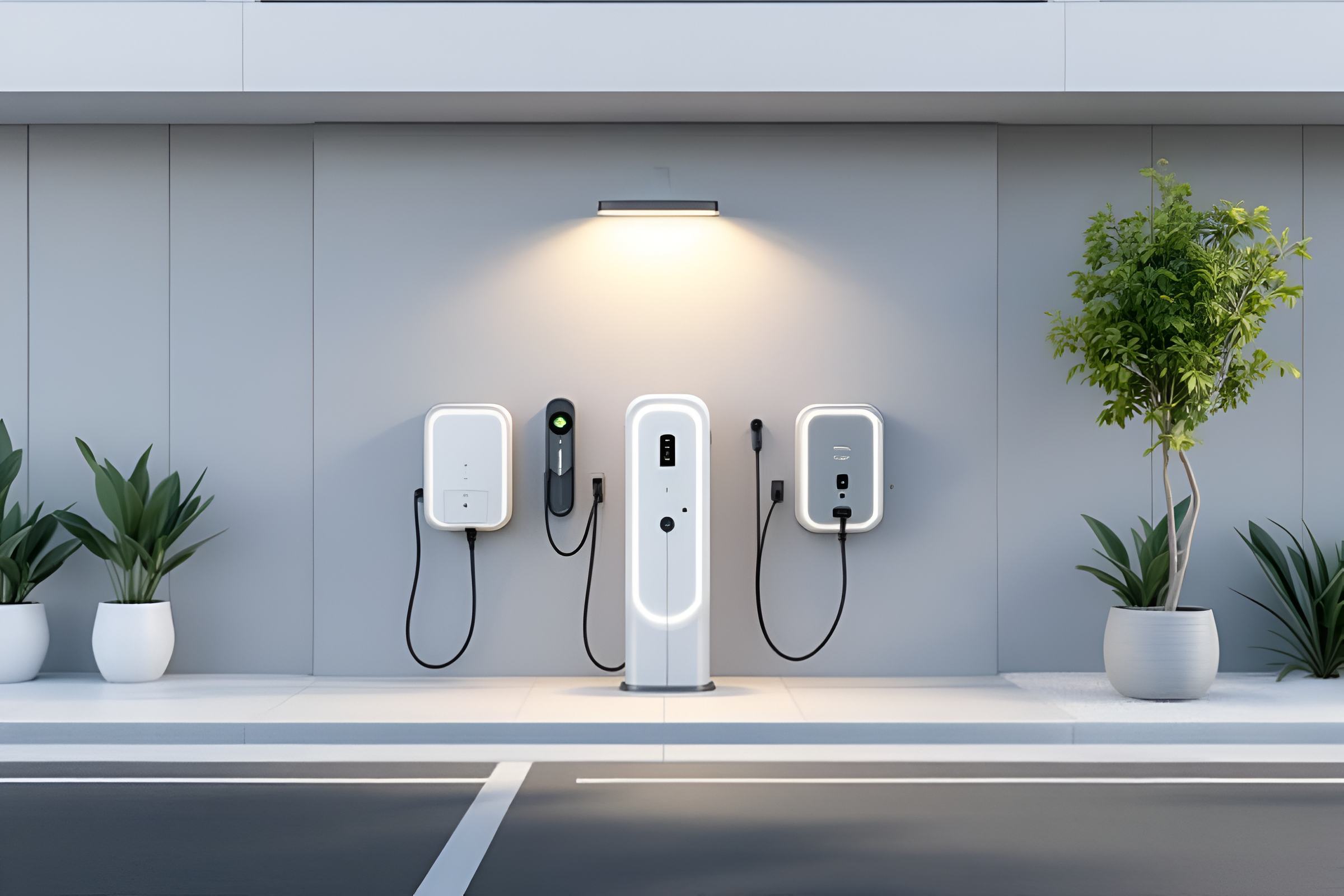
Most homeowners use AC chargers, which are safe, compact, and designed for daily charging.
Here are the common power options people choose based on their home setup:
- 7 kW AC chargers – Best for individual homes, villas, and apartments.
- 11 kW AC chargers – Good for homes with higher power capacity or shared parking.
- 22 kW AC chargers – Suitable for gated communities, residential complexes, or fast overnight charging.
These options cover everything from small residential use to community-level setups. Chargers like the G-Power 7 AC, 11 AC, and 22 AC fit these needs, with smart features and compact design.
2. Check Your Home’s Electrical Capacity
Before installing a charger, an electrician needs to see if your home can handle the extra load. They will check:
- Main power connection
- Wiring condition
- Load capacity (single-phase or three-phase)
- Fuse, breaker, and earthing setup
If your home needs an upgrade, it can be done before installing the charger.
3. Choose the Location
Choose a safe and convenient location near your parking area. Most people mount the charger:
- On a garage wall
- Near a parking porch
- In apartment parking (with permission)
Proper cable length and easy access matter here.
4. Get a Professional Installation
EV charger installation should always be done by a certified electrician. They will:
- Fit the wall-mounted unit
- Install the breaker and wiring
- Set up proper earthing
- Test the charging output
A standard installation does not take long but ensures safety and compliance.
5. Connect to the App (Optional but Useful)
Many residential chargers come with features like:
- Charging schedules
- Energy tracking
- Remote monitoring
- Load management
This helps manage electricity use and avoid peak-hour strain.
6. Safety and Permissions
In most homes, you don’t need government approvals for residential AC chargers. In societies or apartments, you may need a simple NOC from the association. Local electricians and service providers can guide you.
7. Cost of Installing a Home Charger
Pricing depends on charger capacity and installation needs. The main cost includes:
- Charger unit
- Wiring and MCB
- Installation service
AC chargers are more affordable compared to DC stations and are ideal for daily home charging.
8. Where to Explore Residential Charging Solutions
If you’re interested in home-use AC chargers with smart features and flexible power options, you can explore residential solutions designed for homes here: Residential Ac Charging Solutions
Installing a home EV charger adds convenience, saves time, and increases vehicle efficiency. With the right setup and a safe installation, charging at home becomes as easy as plugging in your phone.